
Brain & Neurosurgery
Headache & Migraine
From cervicogenic headache to surgical migraine treatment.
Most chronic headaches respond to standard treatment — medication, lifestyle changes, and addressing triggers. The minority that don't sometimes have a surgical cause: cervical spine pathology causing cervicogenic headaches, or peripheral nerve compression causing chronic migraine. For patients who've exhausted medication options, the US Migraine Procedure offers a minimally invasive surgical alternative.
Understanding the Condition
What is Headache & Migraine?
Headaches are classified as primary (no underlying structural cause — migraine, tension, cluster) or secondary (caused by another condition — cervical spine, sinus, vascular). Chronic migraine specifically means 15+ headache days per month with at least 8 having migrainous features.
For a subset of chronic migraine patients, peripheral nerves at specific 'trigger sites' (forehead, temple, back of head) are the upstream driver. The US Migraine Procedure addresses these nerves through small leads placed in those locations. Cervicogenic headaches — pain referred from the cervical spine — are addressed through cervical spine treatment.
Common Causes
- Migraine (idiopathic, often genetic)
- Tension-type headaches
- Cluster headaches
- Cervicogenic (from cervical spine)
- Sinus headaches
- Medication overuse headache
- Secondary causes (rare): tumor, aneurysm, infection, intracranial pressure changes
Common Symptoms
- Throbbing or pulsating pain
- Aura (visual changes, tingling) — in some migraines
- Light, sound, or smell sensitivity
- Nausea or vomiting
- Cervicogenic: pain starting in the neck, radiating to the head
- Cluster: severe one-sided pain with tearing and nasal congestion
When to Seek Care
When Should You See a Specialist?
See a specialist for headaches that don't respond to over-the-counter medications, headaches that are increasing in frequency or severity, or headaches affecting daily life. Red flags requiring urgent evaluation: thunderclap onset (worst-ever), new headache with neurologic deficit, headache with fever and neck stiffness, new headache pattern after age 50.
Treatment Options
How We Treat Headache & Migraine
We always begin with the least invasive treatment that's likely to work for you. Surgery is reserved for cases where conservative care has been given a fair trial — or when the situation truly requires it.
Conservative (Non-Surgical) Care
- Trigger identification and lifestyle modification
- Acute migraine medications (triptans, gepants, ditans)
- Preventive medications (beta-blockers, CGRP inhibitors, topiramate)
- Botox for chronic migraine
- Physical therapy for cervicogenic headaches
- Image-guided occipital nerve blocks
- Cognitive behavioral therapy
Surgical Options
- The US Migraine Procedure — minimally invasive lead placement near migraine-triggering nerves (forehead and back of head); for patients who haven't responded to medication or injection therapy. Learn more at usmigraine.com
- Cervical spine surgery for cervicogenic headaches with structural cervical pathology
- Microvascular decompression for trigeminal neuralgia (different condition, different procedure)
Recovery & Outlook
What to Expect After Treatment
Most chronic headache patients achieve meaningful improvement with medical management — but a substantial minority don't. For those who don't respond to medications, the US Migraine Procedure offers a drug-free, outpatient option with same-day recovery. Outcome data is encouraging in well-selected patients.
Meet Your Team
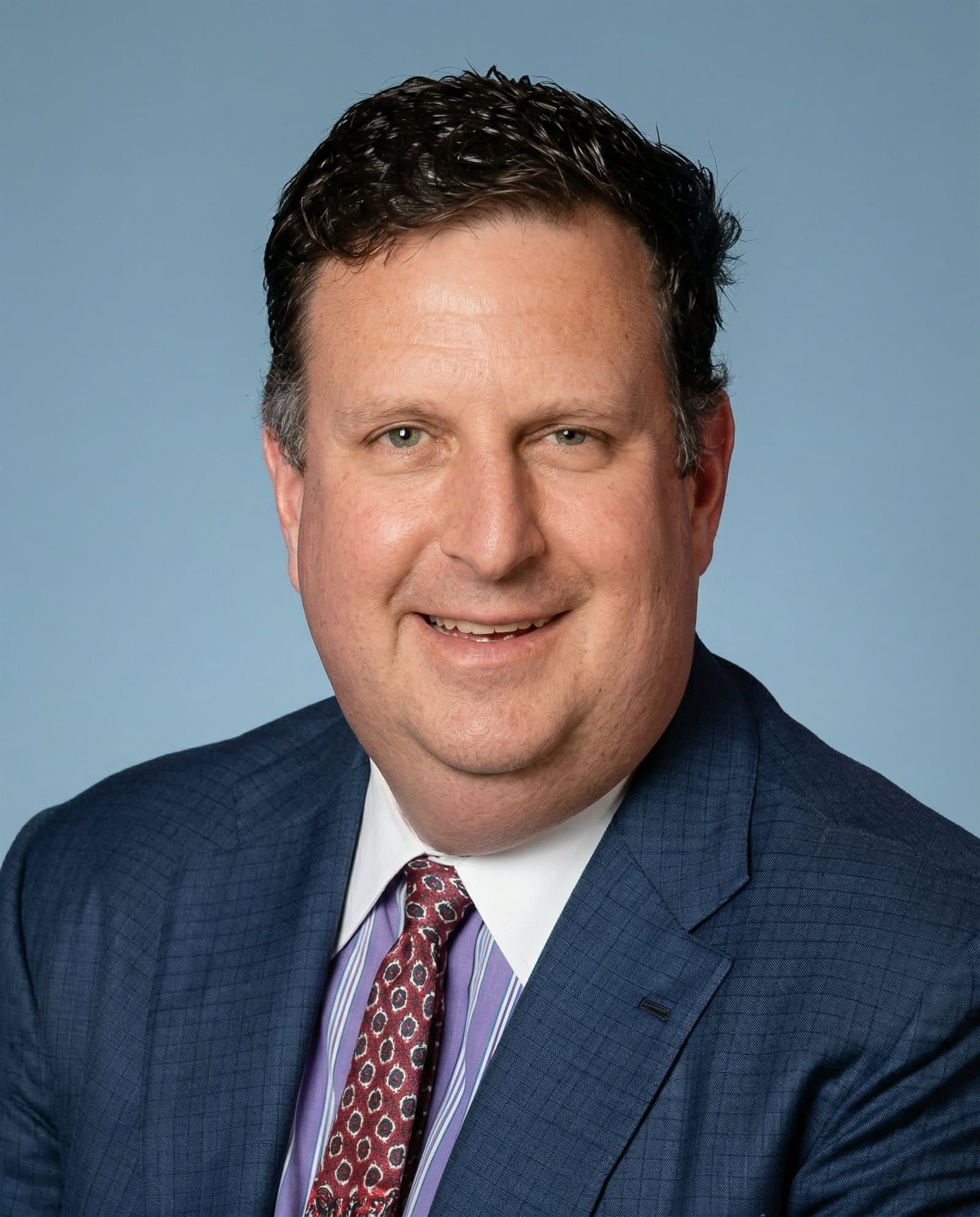
Specialists Who Treat Headache & Migraine


Related Treatments
Services That Address Headache & Migraine
Headache & Migraine — Frequently Asked Questions
Related Conditions
You May Also Want to Read About
Neck Pain
Pain in the cervical spine that may signal a pinched nerve, herniated disc, or arthritis.
Concussions
Mild traumatic brain injury — evaluation, return-to-play / return-to-work, and recovery management.
Neuropathy & Nerve Pain
Damage to peripheral nerves causing weakness, numbness, and pain in hands and feet.
Get Expert Help for Headache & Migraine
Our specialists can diagnose your condition and design a personalized treatment plan that gets you back to the life you love.